
Call us now :07315121860
 Send Inquiry
 Send Inquiry
Material Handling Equipment
Price 50000.0 INR/ Unit
MOQ : 1 Unit
Material Handling Equipment Specification
- Product Type
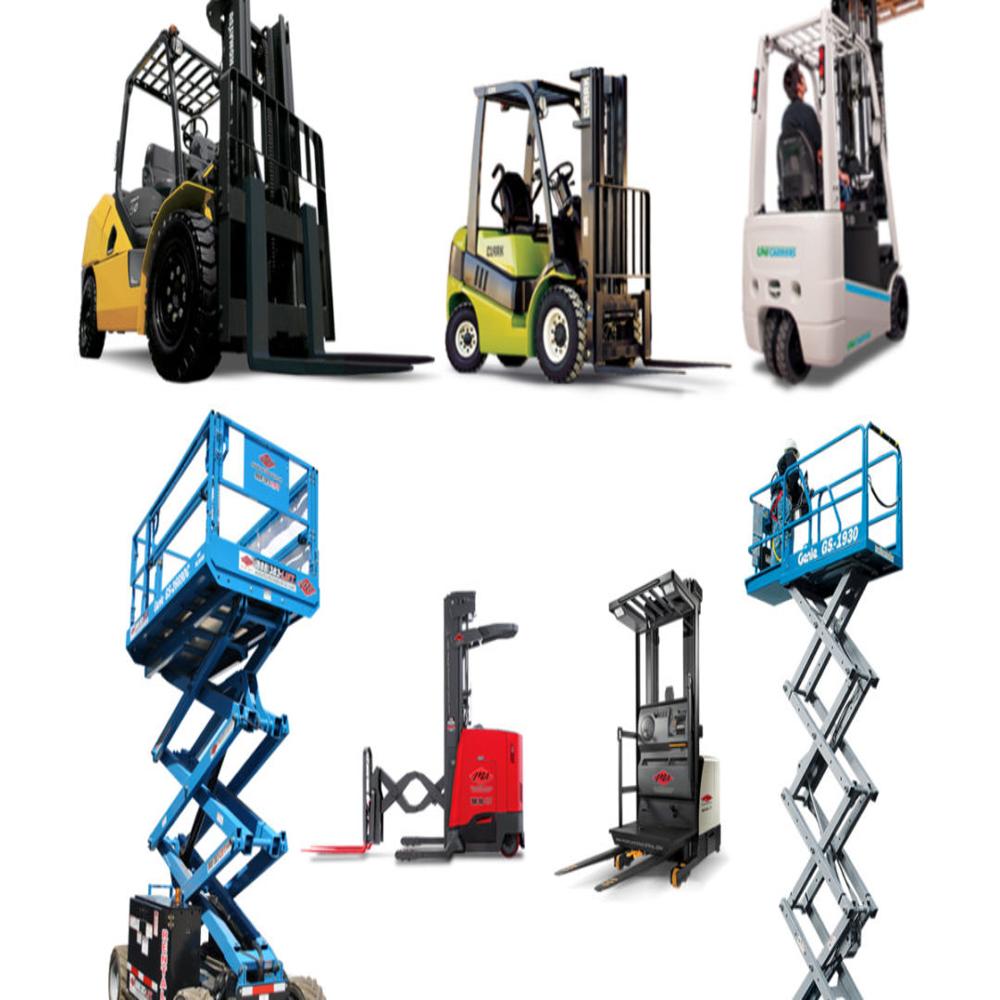
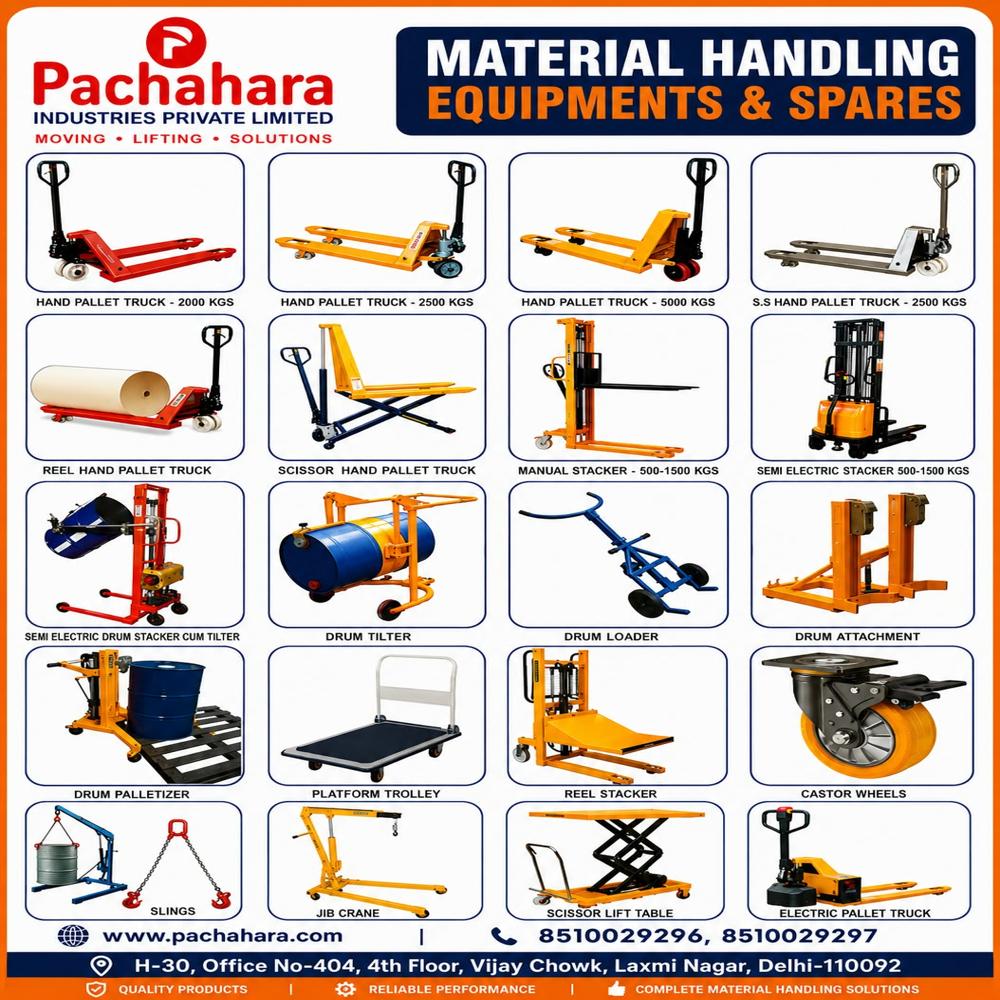
- Material Handling Equipment (Stackers, Pallet Trucks, Forklifts, Scissor Lifts, Order Pickers)
- Width
- Varies by equipment, standard 500-850 mm
- Height
- Upto 6 meters (customizable as per requirement)
- Single Vehicle Weight
- 300 kg to 4500 kg, depending on model
- Container Load
- Variable, depending on model size
- Operation Way
- Other
- Power of Motor
- AC 1.5 kW to 6 kW (Electric models)
- Mode Of Drive
- Other
- Wheel Material
- Polyurethane / Rubber / Nylon
- Application
- Warehouse, Manufacturing Plants, Logistics Centers
- Braking System
- Mechanical or Electric
- Material of Construction
- High-strength Steel
- Surface Finish
- Powder Coated / Painted
- Load Capacity
- 500 kg to 5000 kg based on equipment type
- Control Type
- Hand Operated / Pedal Control / Joystick Control
- Turning Radius
- Minimum 1500 mm (Electric models)
- Battery Voltage
- 24V / 48V for electric models
- Fork Length
- 900 mm to 2400 mm
- Lift Type
- Hydraulic / Electric / Manual
Material Handling Equipment Trade Information
- Minimum Order Quantity
- 1 Unit
- Delivery Time
- 5 Days
Material Handling Equipment About
An MHE machine stands for Material Handling Equipment. It refers to mechanical tools, vehicles, and systems used to move, lift, control, and store goods in warehouses, factories, and shipping centers. Common examples include forklifts, pallet jacks, stackers, and conveyor beltsVersatile Lifting Solutions
Designed to handle loads between 500 kg and 5000 kg, our material handling equipment is tailored for efficiency across warehouses, manufacturing units, and logistics companies. Fork lengths, turning radii, and operational modes can be configured to suit everything from compact spaces to heavy-duty tasks, ensuring seamless integration with your workflow.
Robust & Durable Construction
Manufactured from high-strength steel and finished with premium powder coating or paint, every unit is built to perform in demanding industrial environments. The selection of heavy-duty wheels and advanced braking systems ensures safe operation and longevity, even with frequent use.
Advanced Control and Drive Options
Operators can choose from multiple control interfaces-including hand, pedal, and joystick controls-paired with manual, hydraulic, or electric drives to provide comfort and safety. Electric models feature efficient motors up to 6 kW and are powered by 24V or 48V batteries for reliable, sustainable operation.
FAQ's of Material Handling Equipment:
Q: What applications are best suited for this material handling equipment?
A: These units are ideal for warehouses, manufacturing plants, and logistics centers. They efficiently handle palletized goods, containers, and large items, accommodating a variety of operational layouts due to their customizable dimensions and lifting options.Q: How do I choose between hydraulic, electric, and manual lift types?
A: The choice depends on load weight, usage frequency, and site requirements. For lighter or less frequent tasks, manual lifts are cost-effective. Hydraulic lifts offer more effortless lifting for moderate loads, while electric models provide optimal ease and speed for frequent, heavy-duty operations.Q: What is the benefit of polyurethane, rubber, or nylon wheels?
A: Polyurethane wheels feature low noise and excellent floor protection, rubber wheels absorb shocks on uneven surfaces, and nylon wheels are resistant to chemicals and wear, making each type suitable for specific floor conditions and operational needs.Q: When is it recommended to use electric models over manual ones?
A: Electric models are recommended for continuous operations, heavier loads (up to 5000 kg), or applications requiring faster and higher lifts-especially in locations where manual effort may lead to fatigue or productivity loss.Q: Where can the equipment be customized for specific height and fork length requirements?
A: Customizable height (up to 6 meters) and fork length (900 mm to 2400 mm) options can be specified at the time of order through your supplier or manufacturer to ensure seamless transport and storage of your particular materials.Q: What are the advantages of mechanical vs electric braking systems?
A: Mechanical braking systems provide reliable, straightforward stopping power with less maintenance. Electric brakes offer greater precision and control, especially beneficial for handling heavy loads or working in sensitive areas where smooth deceleration is essential.Q: How does the control type (hand, pedal, joystick) affect operation?
A: Hand-operated controls deliver simple, direct operation for basic handling. Pedal controls provide ergonomic advantages for repetitive motion, while joystick controls enable precise movements and are often favored in electric models for complex maneuvering in tight spaces.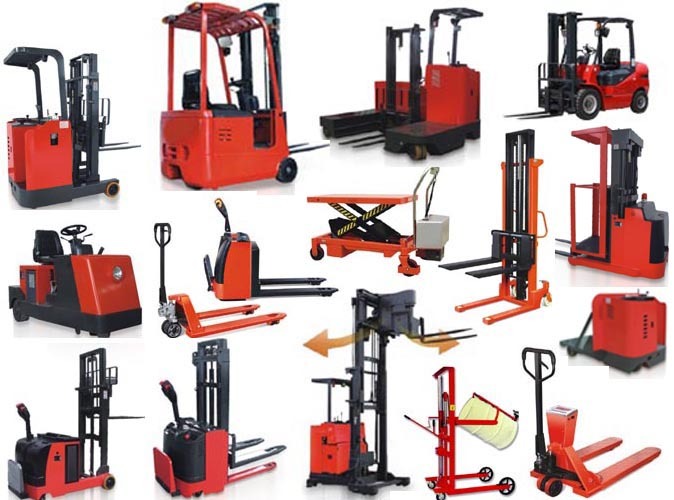
Tell us about your requirement

Price:
Quantity
Select Unit
- 50
- 100
- 200
- 250
- 500
- 1000+
Additional detail
Mobile number
Email


 Send Inquiry
Our Products
- Automatic Boom Barrier
- Swing Barrier Gate
- Swing Gate Automation
- Finger Print Door Lock
- Video Door Phone
- EPABX/Intercom System
- Fingerprint Attendance Recorder
- Intrusion Alarm System
- Public Address System
- Dog Training Service
- Tripod Turnstile Barrier
- Flap Barrier
- Door Frame Metal Detector
- W Metal Beam Crash Barrier
- Automatic Spike Barrier
- Mobile Signal Booster
- Road Safety Products
- Time And Attendance
- MS & GI PIPES
- Street lights poles
- SCISSOR LIFTING
- MATERIAL HANDLING EQUIPMENT

H 30, Laxmi Nagar,Delhi - 110092, India

Mr. Vijay Chaudhary
(Director)
Mobile :07315121860
 Send Inquiry
 Send SMS
Developed and Managed by Infocom Network Private Limited.
